
Self-adhesive Sticker
A self-adhesive sticker is a type of label or decal that has an adhesive backing which allows it to be easily attached to a surface without the need for additional glue or tape. These stickers are commonly used for labeling products, organizing items, promotional purposes, and decoration. They come in various designs, sizes, and materials such as paper, vinyl, polyester, and polypropylene. Self-adhesive stickers can be easily removed or repositioned without leaving any residue.
Benefits of Self-Adhesive Sticker
Water-based
Available in both permanent and peelable formats, these adhesives are the most common, and are perfect in dry conditions, but can fail somewhat if they are exposed to moisture.
Hot melt
This type of adhesive is best used in moist environments such as walk in fridges and freezers commonly found in restaurants. It will resist moist conditions and stick much better than water-based adhesives, also used in some water-based product labelling.
Rubber adhesives
Best used in warehouses and other darker environments, these labels are often preferred for their high tack rating. They should not be used where they will be exposed to the sun, as UV light can damage the adhesive and lead to label failure.
Acrylic
Perfect for items that need to be moved around and handled frequently, these labels can be removed and reused time and again, so work well in retail outlets and other places where items are constantly moved and reorganised, and on products which have long shelf lives.
-
![Speciality Paper Self-adhesive]()
Speciality Paper Self-adhesive
-
![Art Paper Self-adhesive Sticker]()
Art Paper Self-adhesive Sticker
-
![Synthetic Paper Self-adhesive Sticker]()
Synthetic Paper Self-adhesive Sticker
-
![Shredded Paper Self-adhesive Sticker]()
Shredded Paper Self-adhesive Sticker
-
![PVC Self-adhesive Sticker]()
PVC Self-adhesive Sticker
-
![PET Self-adhesive Sticker]()
PET Self-adhesive Sticker
-
![Speciality Paper Self-adhesive]()
Speciality Paper Self-adhesive


Why Choose Us

Our Service
We can provide professional technology support for customer based on their requirements. We are one to one service to follow up customer project. If any product quality issues appeared. We will provide solution within 24 hours.
Customized solutions
We understand that every business has unique needs and requirements. Thus we offer customized solutions tailored to meet the needs of our clients.

One-stop service
We promise to provide you with the fastest reply, the best price, the best quality, and the most complete after-sales service.

Quality Control
We have built a professional QC team to accurately inspect every raw material and every process of production.
Types of Self-Adhesive Sticker
Vinyl Stickers
Vinyl self-adhesive stickers are the most commonly used type of stickers. They are durable, versatile, and can be used on a variety of surfaces, including paper, plastic, glass, metal, and more.
Paper Sticker
Paper stickers are made from high-quality paper and are commonly used for promotional campaigns, product packaging, and labeling.
Paper Sticker
Polyester stickers are made from a thin and durable material that is resistant to water, oil, and chemicals. They are commonly used for outdoor applications or in environments that require longevity.
Removable Stickers
Removable self-adhesive stickers are designed to be removed easily without leaving any residue behind. They are commonly used for temporary labeling, product promotions, and event signage.
Glow-in-the-Dark Stickers
Glow-in-the-dark self-adhesive stickers absorb light during the day and release it at night, making them ideal for safety signs, emergency escape routes, and other applications where visibility is important.
3D Stickers
3D self-adhesive stickers are made from a special material that creates a three-dimensional effect. These stickers are ideal for promotional campaigns, product packaging, and branding.
Materials Used For Self-Adhesive Stickers
Vinyl: A durable and weather-resistant material that can be used for outdoor signage and graphics.
Paper: A cost-effective option for indoor use, such as labeling and packaging.
Polyester: A strong and durable material that can withstand harsh conditions, often used for industrial and equipment labeling.
Polypropylene: Aflexible and moisture-resistant material that is commonly used for food packaging and labelling applications.
Foil:A shiny and reflective material that can add metallic or holographic effects to a design.
Fabric:A soft and flexible material commonly used for garment labels and decorations.
Tyvek: A tear-resistant and waterproof material used for tags, wristbands and other applications that require strong and durable labels.
Clear: A transparent material often used for window decals and product labels where the background needs to show through.
Application of Self-Adhesive Sticker
Self-adhesive labels play a vital role in the food and beverage industry. They provide essential product information such as nutritional facts, ingredients, expiration dates, and barcode identification. These labels are designed to withstand various environments, including refrigeration, moisture, and temperature fluctuations. Moreover, self-adhesive labels enhance branding by featuring attractive designs and logos, creating a visually appealing packaging solution.
In the pharmaceutical and healthcare sectors, self-adhesive labels are crucial for ensuring proper identification, safety, and regulatory compliance. These labels contain important details such as dosage instructions, warning labels, batch numbers, and expiration dates. Additionally, tamper-evident features integrated into self-adhesive labels help protect consumers and ensure the integrity of the product.
In the retail industry, self-adhesive labels are widely used for pricing, barcoding, and product identification. They help streamline inventory management, facilitate efficient checkout processes, and enable accurate tracking of products throughout the supply chain. Self-adhesive labels also provide opportunities for branding, allowing companies to showcase their logos and product information on various packaging formats, including boxes, bags, and bottles.
Self-adhesive labels are essential for efficient logistics and shipping operations. They enable clear and accurate labelling of packages, including shipping addresses, tracking numbers, and handling instructions. With self-adhesive labels, logistics companies can easily identify and track packages, ensuring timely and reliable delivery. Furthermore, barcoded labels enhance supply chain visibility, optimizing inventory management and reducing errors.
In industrial and manufacturing settings, self-adhesive labels are used for equipment and asset identification, safety labelling, and maintenance tracking. These labels withstand harsh conditions, including exposure to chemicals, UV radiation, and extreme temperatures. By providing clear instructions and warnings, a self-adhesive label can enhance workplace safety and compliance with industry regulations.
Self-adhesive labels are effective tools for promotional and marketing campaigns. They can be used as product labels with special offers, discounts, or loyalty program details. Additionally, promotional labels applied to various surfaces, such as windows, vehicles, or packaging, help increase brand visibility and attract customers’attention. These labels can be easily removed without leaving residue, allowing for temporary promotions or seasonal branding.
We offer a comprehensive service
Avoid extreme temperatures
Self-adhesive stickers can be damaged by extreme temperatures, so avoid applying them in places exposed to direct sunlight or harsh weather conditions.
Use a squeegee
Use a squeegee or a credit card to ensure that the sticker adheres well to the surface. This will help to prevent air bubbles from forming underneath the sticker.
Avoid water contact
Avoid letting the sticker come into direct contact with water until it has completely dried and set. This will help to ensure that the adhesive does not come off.
Avoid removing and reapplying
Self-adhesive stickers are designed for a one-time use, so avoid removing it and attempting to reapply it as this can weaken the adhesive, making it harder to stick.
Store properly
If you need to store self-adhesive stickers, ensure that they are kept in a cool and dry place away from direct sunlight or heat. This will help to prevent the adhesive from degrading.
Clean the surface
Before applying the sticker, ensure that the surface where it will be stuck is clean and free from dust, dirt, or grease. Wipe it down with a clean cloth and some rubbing alcohol to create a clean surface.
How Do You Remove Stubborn Self-Adhesive Stickers
Here are some ways to remove stubborn self-adhesive stickers:
Use Heat: Apply heat to the sticker using a hair dryer or heat gun. Hold the hair dryer or heat gun a few inches away from the sticker and move it back and forth until the sticker starts to peel off. Use a plastic scraper or a credit card to remove the sticker.
Use vinegar: Apply white vinegar to the sticker using a cotton ball or a soft cloth. Let the vinegar soak in for a few minutes, and then gently scrape off the sticker with a plastic scraper or a credit card.
Use Rubbing Alcohol: Apply rubbing alcohol to the sticker using a cotton ball or a soft cloth. Let the alcohol soak in for a few minutes, and then gently scrape off the sticker with a plastic scraper or a credit card.
Use Baking Soda And Oil: Mix baking soda and vegetable oil to form a paste. Apply the paste to the sticker using a cotton ball or a soft cloth. Let the paste sit on the sticker for a few minutes, and then gently scrape off the sticker with a plastic scraper or a credit card.
Use Commercial Adhesive Removers: There are many commercial adhesive removers available in the market that can help remove stubborn stickers. Follow the manufacturer's instructions to use the adhesive remover.
Self-Adhesive Sticker paper and vinyl stickers are two common types of materials used for creating labels, signs, and decals. While they may look similar on the surface, there are some key differences between the two.
Self-Adhesive Sticker paper is typically made from a thin, flexible material that is coated with an adhesive backing. It can be printed on using a variety of printing methods, including inkjet and laser printers. This type of paper is often used for creating labels for products, address labels, or shipping labels. It can be easily cut or trimmed to fit the desired size, and is often more affordable than vinyl stickers. self-adhesive paper is not as durable as vinyl stickers, and may be more prone to damage or wear over time.
Vinyl stickers, on the other hand, are made from a durable, waterproof material that is designed to stand up to the elements. They are often used for creating personalized decals, bumper stickers, or signage for businesses and events. Vinyl stickers can be printed on using a range of methods, including digital printing, screen printing, and plotter cutting. They are typically more expensive than self-adhesive paper, but they offer superior durability and longevity. The vinyl material is designed to withstand harsh weather conditions, UV light, and fading, making it ideal for outdoor use.
How Do You Create a Design For a Self-Adhesive Sticker
Designing self-adhesive stickers is a fun process. Here are some steps you need to take when designing your stickers
Define The Purpose: The first step is to determine the purpose of the sticker. Is it for branding, marketing, or simply for decoration? Understanding the purpose will help to guide the design process.
Choose The Shape And Size: The shape and size of the sticker will depend on its purpose and where it will be placed. Will it be placed on a product, a vehicle, or a window? A smaller sticker may be more appropriate for a product, while a larger sticker can be used for outdoor advertising.
Pick The Design Elements: The design elements consist of the images, text, and color scheme. The images should be clear, simple, and relevant to the purpose. The text should be easy to read and convey the message clearly. The color scheme should be eye-catching, but not too busy.
Choose The Typography: The typography is the use of fonts to communicate the message of the sticker. The font should match the purpose of the sticker and be easily readable.
Add Finishing Touches: Adding finishing touches such as a border, drop shadow, or texture can help the sticker stand out and give it a more polished look.
Test The Design: Before printing a large number of stickers, it's important to test the design by printing a few samples and checking for any errors or issues.
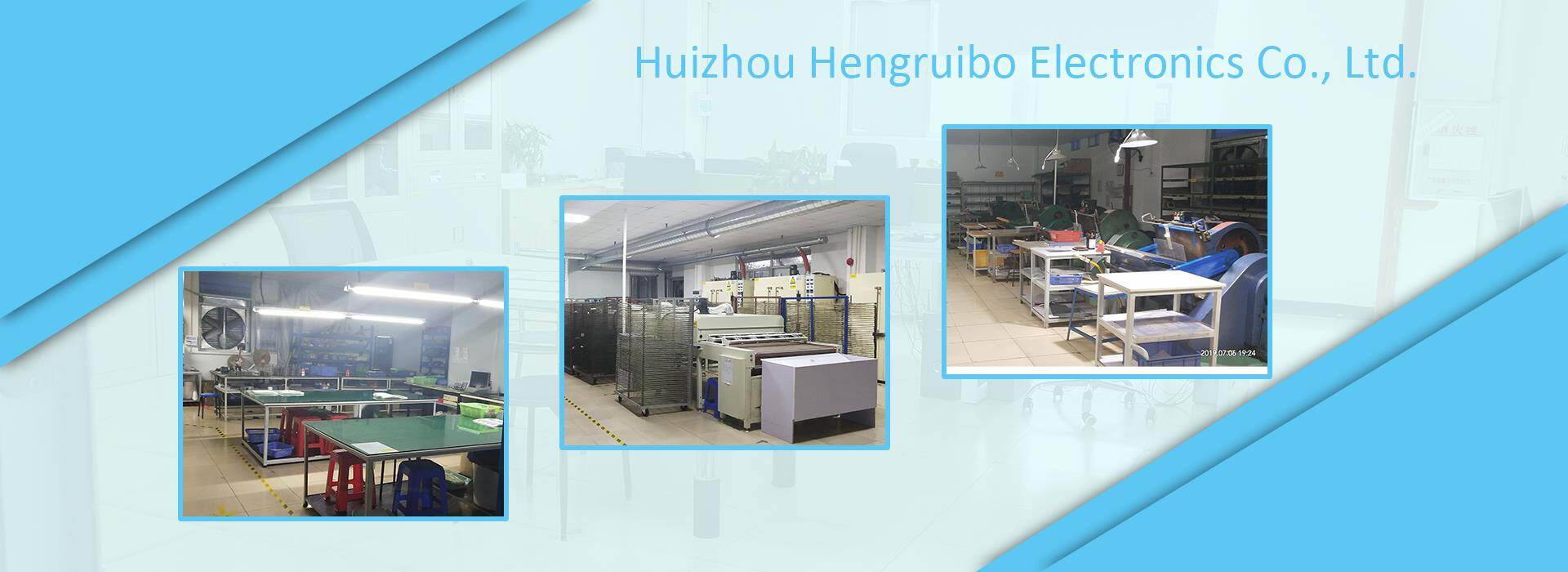
Our factory located in 4/F, Bldg#4, YingFeng Industrial Park, SanHe Economic Development Area, HuiZhou, China, The Architecture include material warehouse,mold warehouse. bacthing workshop, Plate making workshop, Screen printing workshop, (assembly, Guide hole, electronic testing) workshop, stamping and embossing workshop, Sales department, engineer department, QC department and laser department and so on.


FAQ
Q: How do you apply self-adhesive vinyl?
Q: What is self-adhesive paper used for?
Q: What is the difference between self-adhesive and peel and stick?
Q: How does self-adhesive work?
Q: What can you use self adhesive vinyl on?
Q: What are the benefits of using self adhesive vinyl labels?
Q: How do I make sure my labels are straight?
Q: What does self adhesive labels mean?
Q: What is the difference between self-adhesive and adhesive?
Q: Do you need transfer paper for self-adhesive vinyl?
Q: Is self adhesive vinyl any good?
Q: Does self adhesive vinyl come off easily?
Q: Do you put shiny side down on adhesive vinyl?
Q: Can you apply heat to adhesive vinyl?
Q: What is the difference between removable vinyl and self adhesive vinyl?
Q: Why are my labels smearing?
Q: Can self-adhesive be removed?
Q: Do you need to prime before peel and stick?
Q: Is Peel and stick permanent?
Q: How hard is it to remove peel and stick?
We're well-known as one of the leading self-adhesive sticker manufacturers and suppliers in China. If you're going to buy customized self-adhesive sticker at low price, welcome to get quotation and free sample from our factory.white self adhesive labels, self adhesive removable labels, clear self adhesive whiteboard wall sticker